What to check when an electrical outlet stops working
A dead outlet is annoying, but it is rarely a mystery. In most cases the cause is something simple that a homeowner can identify, even if the repair itself needs a licensed electrician. Knowing what to look for saves time, prevents unnecessary service calls, and helps you explain the problem clearly to a professional. Below is a practical checklist for homes, offices, and rental properties. The same logic applies to all of them, though the person responsible for fixing it may differ.
First, rule out the obvious
Before you start poking around, check whether the outlet is really dead. Plug in a lamp or a phone charger that you know works. If the device powers on, the outlet is fine and the problem is with whatever was plugged in before. If the device does not work, try another outlet in the same room. If that one works, the dead outlet is likely the only issue. If several outlets are dead, the problem may be bigger, a tripped breaker, a blown fuse, or a loose connection at the panel.
Also check whether the outlet is controlled by a switch. Some rooms have outlets that are wired to a wall switch, often for lamps. If the switch is off, the outlet will appear dead. Flip the switch and test again. This sounds basic, but it is one of the most common false alarms in both homes and offices.
Check the breaker panel
If the outlet is truly dead, go to the electrical panel. Look for a breaker that is in the tripped position, it will be halfway between on and off, or it may show a red indicator on some panels. Flip it fully to off, then fully back to on. If it trips again immediately, there is a short circuit or an overload on that circuit. Do not keep resetting it. That is a sign that a professional needs to inspect the wiring.
In older buildings with fuse boxes, check whether the fuse for that circuit has blown. Screw-in fuses have a small window that turns dark when the fuse is blown. Cartridge fuses need a pullout block. If the fuse is blown, replace it with one of the same amperage. Never use a higher-rated fuse, that is how wires overheat and start fires.
Look for a tripped GFCI
In kitchens, bathrooms, garages, basements, and outdoor areas, outlets are often protected by a ground-fault circuit interrupter (GFCI). These devices have test and reset buttons on the outlet face. Sometimes a GFCI outlet in one location protects other outlets downstream. If a dead outlet is in a wet or damp area, check every GFCI outlet on the same circuit. Press the reset button firmly. If it clicks and stays in, test the dead outlet again. A single tripped GFCI can kill power to several outlets that look nothing like it.

GFCI outlets can trip for good reasons, a small ground fault in a plugged-in appliance, or for no obvious reason at all if the device is old or sensitive. If the outlet keeps tripping, unplug everything from that circuit and reset. If it holds, plug devices back in one by one to identify the culprit.
Inspect the outlet itself
If the breaker is on and the GFCI is reset, the problem may be inside the outlet. Remove the cover plate (with the power off at the breaker) and look at the wiring. The most common issue is a loose connection. A hot wire, neutral wire, or grounding wire that has slipped out of its screw terminal will stop power from reaching the receptacle. The wire may also be broken inside the insulation, a problem that happens when wires are bent back and forth during installation or when the outlet is old.
Another sign of trouble is discoloration around the slots. Brown or black marks suggest arcing, which means the outlet has been overheating. That outlet should be replaced, and the wiring behind it should be inspected for damage.
For a rental property, landlords should document the condition of every outlet during turnover inspections. A dead outlet that is discovered later can become a dispute over who pays for the repair. A simple visual check during the walkthrough, plugging in a tester, takes seconds and avoids that headache.
Check for a loose connection in the box
Sometimes the outlet looks fine but the wire connection has come loose at the back of the box. This is common in older homes where the outlet has been pushed in and out many times during painting or wallpapering. The wire may still be under the screw but not making good contact. A loose connection creates resistance, which generates heat. Over time that heat can damage the wire and the outlet. A qualified electrician can tighten the connection safely and check for any melting or charring inside the box.
Consider the age of the wiring
Old wiring, especially knob-and-tube or early Romex, can fail without warning. Insulation dries out and cracks, wires corrode at connection points, and outlets that worked for decades suddenly stop. If you have a dead outlet in a house built before 1960, and the breaker is not tripped, the wire may have broken inside the wall. That is not something a homeowner can fix without opening up the wall. An electrician can test the circuit and determine whether the wire needs to be replaced or rerouted.
In offices, dead outlets are often caused by modular furniture wiring. Cubicle systems use plug-in connections under the floor or in the base of the panels. These connections can come unplugged when furniture is moved or when the floor gets bumped. Check the connection point under the panel before assuming the building wiring is at fault.
Look for shared neutrals and multi-wire branch circuits
In modern wiring, it is common for two or more circuits to share a neutral wire. This saves copper but can cause confusing symptoms. If one circuit is heavily loaded, the shared neutral can backfeed voltage to the other circuit, making outlets appear live when they are not. A qualified electrician can measure the voltage and identify whether a shared neutral is the cause of a dead outlet. This is a job for a pro because working with live wires in a multi-wire circuit is dangerous.
If you manage a rental property and tenants report a dead outlet, ask whether any high-wattage appliances, space heaters, air conditioners, microwaves, were running at the same time. Overloaded circuits are the most common cause of dead outlets in rentals, and the fix is often as simple as resetting a breaker. But if the problem keeps happening, the circuit may need to be upgraded or split into two circuits.
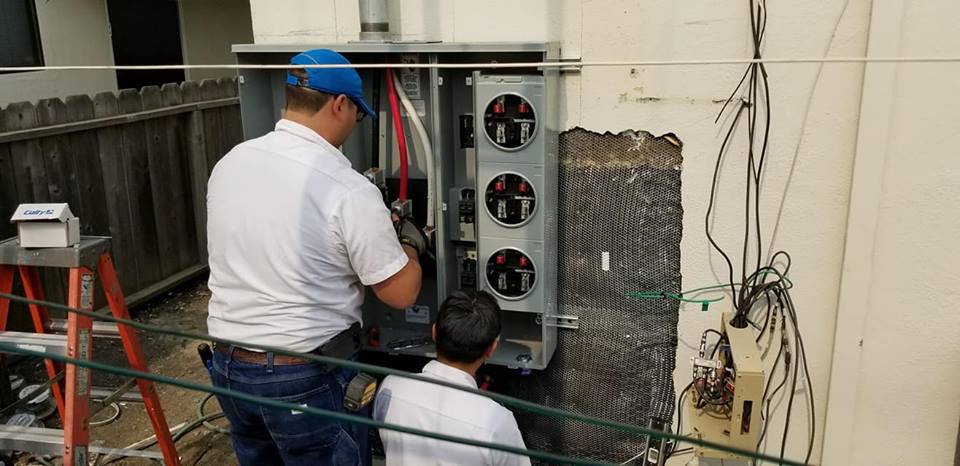
For commercial properties, the stakes are higher. A dead outlet in an office can mean downtime for computers, printers, or medical equipment. A quick check of the breaker panel and GFCI outlets should be the first step. If those are fine, the problem is likely in the wiring between the panel and the outlet. That is where Wooding Electric comes in, their team handles residential and commercial electrical troubleshooting, repairs, and wiring improvements throughout San Jose and the surrounding Bay Area. They can trace the circuit, find the break, and restore power without guesswork.
When the outlet is not the problem
Sometimes a dead outlet is actually a symptom of a bigger issue. If half the outlets in a room are dead, the problem may be a lost phase in a three-phase panel, a commercial building issue. If an entire side of a house is dead, the main breaker may have failed. If lights flicker when the outlet is dead, there may be a loose connection at the panel or at the meter base. These are not diy repairs. Call a licensed electrician.
For homeowners, the rule is simple: if the breaker holds and the GFCI resets, and the outlet still has no power, stop checking. The problem is inside the wall, and opening that wall or working on live wiring without training can cause injury or fire. A professional electrician has the tools to test circuits safely and the experience to find hidden faults.

For landlords and property managers, a dead outlet is a repair that should never wait. An outlet that is dead today may have been arcing yesterday. Even if it is not working, a loose connection can still generate heat. A small fire risk is still a fire risk. Get it inspected.
This checklist covers the common causes of a dead outlet in any setting. Start with the simple checks, breaker, GFCI, switch, and if none of those work, call a qualified electrician. For residents and businesses in the Bay Area, Wooding Electric provides the kind of thorough troubleshooting that turns a dead outlet back into a working one, and that is the goal for every property.